

Achhut Kanya1936
Introduction
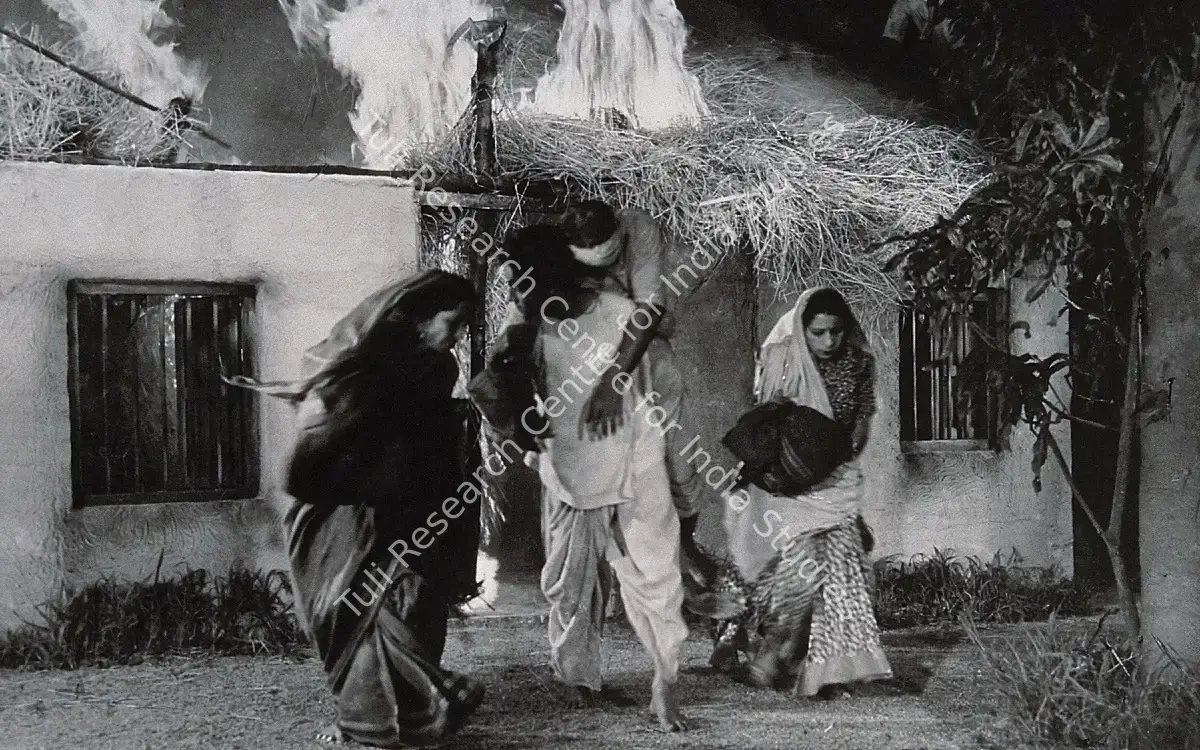
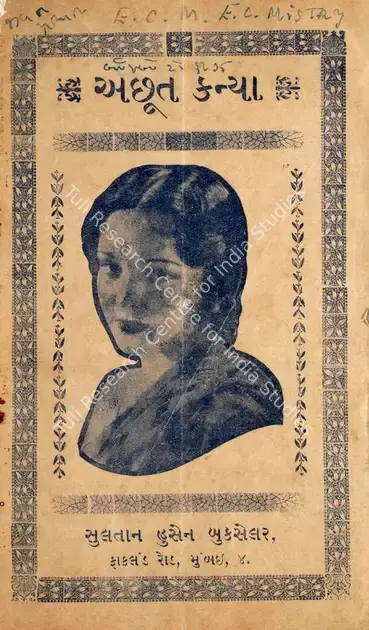
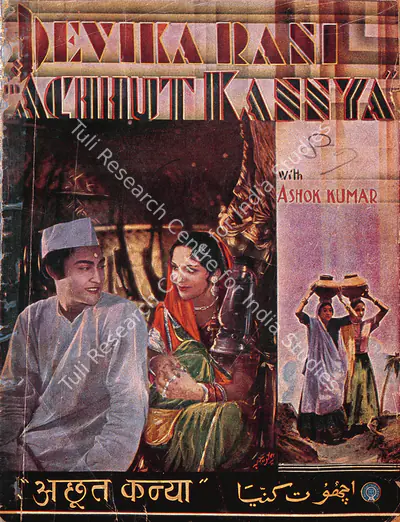
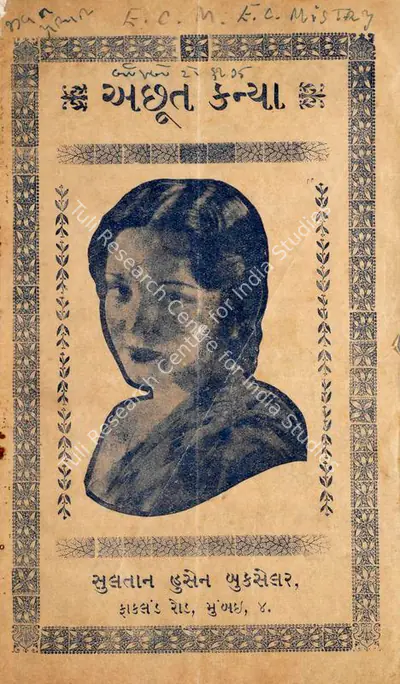
Achhut Kannya (1936) stands as one of the many successful collaborations between Franz Osten, Niranjan Pal, Himanshu Rai, and their iconic leading lady, Devika Rani, under the Bombay Talkies banner. The film, addressing the social position of Dalit girls, is regarded as a reformist period piece. It marked the debut of Ashok Kumar, who starred alongside Devika Rani in the lead roles. The film's music was composed by Saraswati Devi, with lyrics penned by J.S. Kashyap.
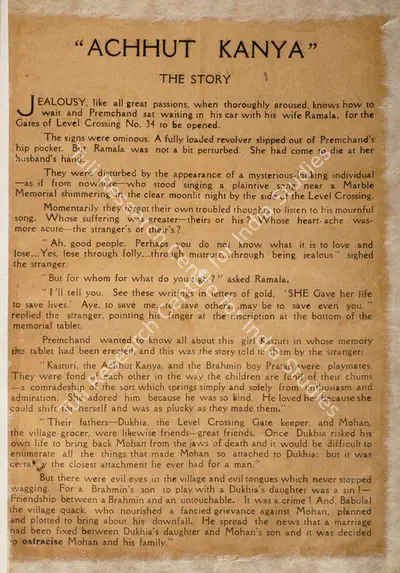
Based on Niranjan Pal's story The Level Crossing, which he also adapted into the screenplay, Achhut Kannya captured the public's imagination with its portrayal of an "untouchable" girl and a Brahmin boy falling in love—an unconventional and taboo subject in the conservative society of the time. Despite this, the film became an instant hit with both audiences and critics, cementing its status as a timeless classic.
The story, set against the backdrop of the growing anti-caste movement in India, critiques the oppressive caste system, focusing on the societal pressure and gossip that threatens to tear the couple apart. Beyond the class divide that reflects the social fabric of the era, the love story between a young couple from different castes, forbidden to be together, resonated deeply with the masses.
Achhut Kannya proved particularly popular with young audiences, who were profoundly moved by the portrayal of the untouchable girl. While some critics lauded the film's visual aesthetic, others deemed it too radical for its time. A few also critiqued the dialogue, calling it somewhat unnatural.
The immense success of the film catapulted Ashok Kumar to stardom, propelling him to become one of Hindi cinema's leading actors. He went on to feature in several successful films, including Kangan (1939), Bandhan (1940), and Jhoola (1941). His career reached new heights with the 1943 film Kismet, which became the first Hindi film to gross one crore at the box-office. Known for his pioneering natural acting style, Ashok Kumar's contributions to Indian cinema earned him the prestigious Dadasaheb Phalke Award and the Padma Bhushan.
यह फ़िल्म निरंजन पाल की लिखी 'दि लेवल क्रॉसिंग' शीर्षक कहानी पर आधारित थी, जिसे उन्होंने खुद फ़िल्म की पटकथा में ढाला। अछूत कन्या का कथानक आज़ादी मिलने से पूर्व के उस रूढ़िवादी समाज के लिए एक वर्जित विषय कहा जा सकता है। फ़िल्म में एक दलित लड़की और एक ब्राह्मण युवक के बीच प्रेम होना दिखाया गया था। विषय की नवीनता के बावजूद फ़िल्म को दर्शकों और समीक्षकों दोनों की स्वीकार्यता मिली। फ़िल्म को बड़ी व्यावसायिक कामयाबी मिली और आगे चलकर तो इसे हिन्दी सिनेमा की एक कालजयी क्लासिक का दर्जा प्राप्त हुआ।
अछूत कन्या की कहानी को तीस के दशक में भारत में महात्मा गांधी के नेतृत्व में मज़बूत होते जातिभेद विरोधी आन्दोलन की रोशनी में भी पढ़ा जाना चाहिए। यह वो दौर था जब बाबासाहब आंबेडकर जैसे महान व्यक्तित्वों ने जाति के सवाल को भारत की राजनीति के केंद्र में ला दिया था। इस फ़िल्म में भी जाति व्यवस्था के भीतर मौजूद गैर-बराबरी की कठोर आलोचना पेश की गई थी। फ़िल्म की कहानी दिखाती है कि कैसे सामाजिक रूढ़ियाँ और समुदाय के दिये ताने प्रेमी जोड़े की राह में पत्थर बोते हैं। उन्हें बिछड़ने पर विवश करते हैं। अछूत कन्या तत्कालीन समय के समाज में मौजूद जातिगत भेदभाव को सच्चाई का आईना दिखाती है। अलग-अलग जाति से आये लड़का-लड़की आपस में शादी तो दूर की बात है, प्यार तक नहीं कर सकते, समाज की इस कड़वी सच्चाई को दिखाकर फ़िल्म ने दर्शकों के दिलों को छू लिया।
ख़ास तौर पर अछूत कन्या नौजवान वर्ग के बीच बेहद लोकप्रिय रही, जिसकी वजह संभवत: ये थी कि फ़िल्म में एक नौजवान दलित स्त्री के जीवनसंघर्ष को बेहद प्रभावशाली ढंग से दिखाया गया था। कुछ आलोचकों ने फ़िल्म के नवीन दृश्यविधान की सराहना की, वहीं कुछ दूसरे लोग इसे आसानी से स्वीकार नहीं कर पाये। कुछ आलोचकों ने फ़िल्म के संवादों को लेकर भी ये टिप्पणी की कि कहीं-कहीं वे स्वाभाविक प्रतीत नहीं होते।
अछूत कन्या की ज़बरदस्त कामयाबी ने अशोक कुमार को रातोंरात सितारा हैसियत पर पहुँचा दिया और वे हिन्दी सिनेमा के शीर्ष अभिनेताओं की सूची में शामिल हो गए। इस फ़िल्म के बाद अशोक कुमार ने कंगन (1939), बंधन (1940) और झूला (1941) जैसी कई सफल फ़िल्मों में नायक की भूमिका निभाई। वर्ष 1943 में आई फ़िल्म किस्मत के साथ तो उनका नायकीय करियर गज़ब की नई ऊँचाइयों पर पहुँच गया। किस्मत ने टिकट खिड़की पर 1 करोड़ रुपए की कमाई करने वाली पहली हिन्दी फिल्म बनकर नया इतिहास रच दिया। भारतीय सिनेमा में प्राकृतिक अभिनय शैली (नैचुरल एक्टिंग स्टाइल) के पुरोधा माने जाने वाले अभिनेता अशोक कुमार को सिनेमा के क्षेत्र में उनके अमूल्य योगदान के लिए भारत सरकार की ओर से दादासाहेब फाल्के पुरस्कार और पद्म भूषण से सम्मानित किया गया है।
Body of Work
Research Centre
Calendar 1
- ArchivedExhibitionProject 8Self Discovery via Rediscovering India Series Part V Mahatma Gandhi25th April 2025as part of the Rediscovering India via Self-Discovery Exhibition Series Part VRead More →